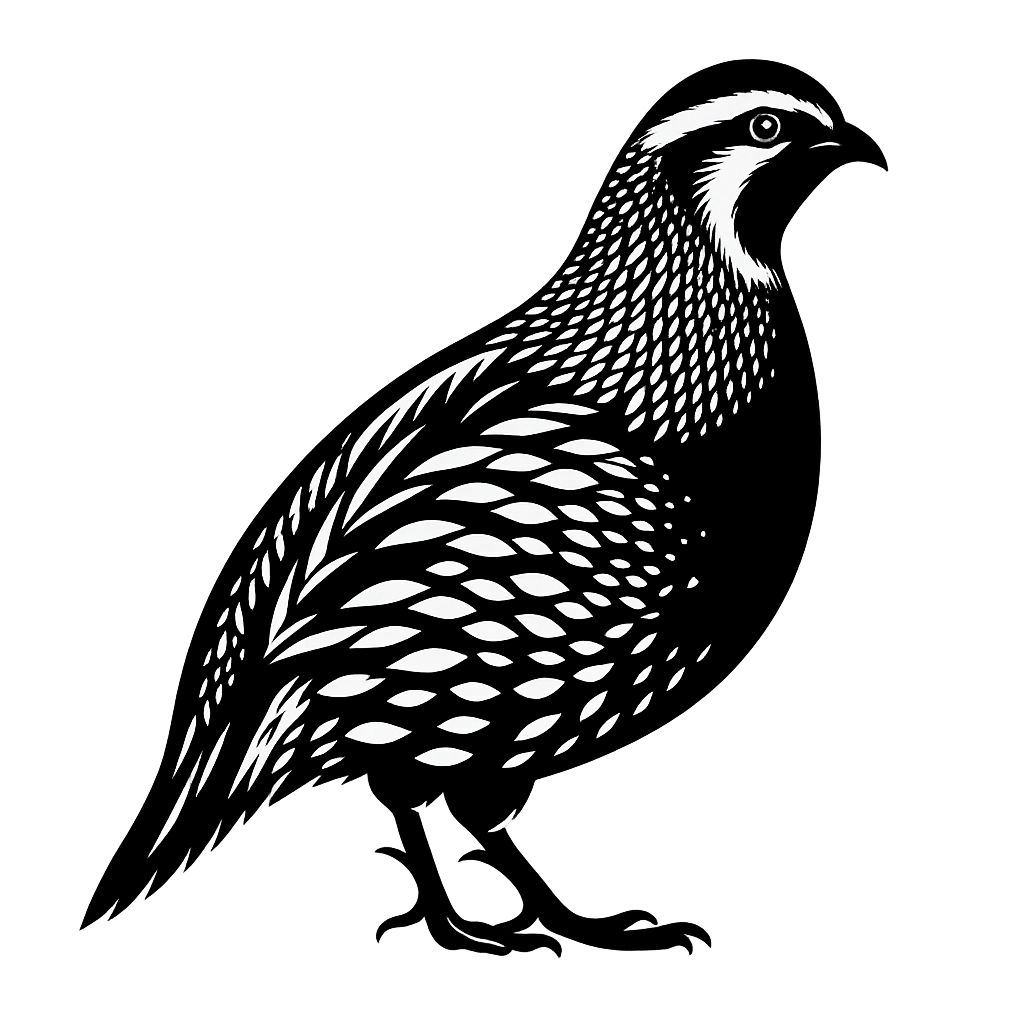
Quail & Incubation Guide
About Quail
Quail are small, hardy game birds known for their rapid growth, excellent egg production, and calm temperament. They are ideal for small farms, homesteads, and hobby breeders due to their low space requirements and efficient feed conversion.
Types of Quail We Raise
At Meadows Quail Farm we focus exclusively on three exceptional Bobwhite lines: Northern Bobwhite, Jumbo Wisconsin, and our well‑known Georgia Giant. These varieties are selected for their strong genetics, excellent growth performance, and consistent production. Each line offers unique advantages in size, temperament, and suitability for different purposes, allowing our customers to choose the option that best fits their needs.
Life Cycle
Quail grow quickly, reaching maturity in as little as 12 weeks. Their life cycle includes egg, chick, juvenile, and adult stages. Proper care during each stage ensures strong, healthy birds.
Feeding
Quail require a high-protein diet, especially during growth and egg-laying periods. A balanced game bird feed with 24–30% protein is recommended for optimal health and productivity.
Behavior
Quail are naturally shy but adapt well to captivity. They thrive in clean, quiet environments with proper ventilation and protection from predators.
Benefits of Raising Quail
- Fast growth and early maturity
- High egg production
- Low space requirements
- Efficient feed conversion
- Ideal for beginners and small farms
Incubation Guide
Successful quail incubation requires proper temperature, humidity, egg handling, and consistent monitoring. The following guide provides essential steps to ensure strong hatch rates and healthy chicks.
Temperature
Maintain a stable temperature of 99.5°F (37.5°C) in a forced-air incubator. Fluctuations can affect embryo development and hatch success.
Humidity
Humidity should remain between 56–60% during the first 19 days, increasing to 65–70% during lockdown (days 20–23). Proper humidity prevents chicks from sticking to the shell.
Turning Eggs
Eggs must be turned at least 3–5 times per day until day 14. Automatic turners help maintain consistency and reduce handling stress.
Lockdown Period
On day 15, stop turning the eggs and increase humidity. Do not open the incubator during hatch unless absolutely necessary.
Hatch Day
Chicks may take 12–24 hours to fully emerge. Allow them to dry and fluff before moving them to the brooder.
Brooder Setup
Provide a warm, draft-free brooder at 95°F for the first week, lowering the temperature by 5°F each week. Use non-slip bedding to prevent leg injuries.